
Foundations
Begin with the why
Before venues and colour palettes, sit together and describe the day you want to remember. Is it an intimate dinner for forty, a candlelit ballroom, a garden ceremony with a long-table supper? Write down three words that capture the feeling. Every decision afterwards — budget, guest count, vendors — becomes simpler when measured against them.
- Agree your three non-negotiable priorities
- Choose one central wedding planning tool to hold your checklist, budget and guest list
- Decide early whether you will hire a planner, a coordinator or plan independently
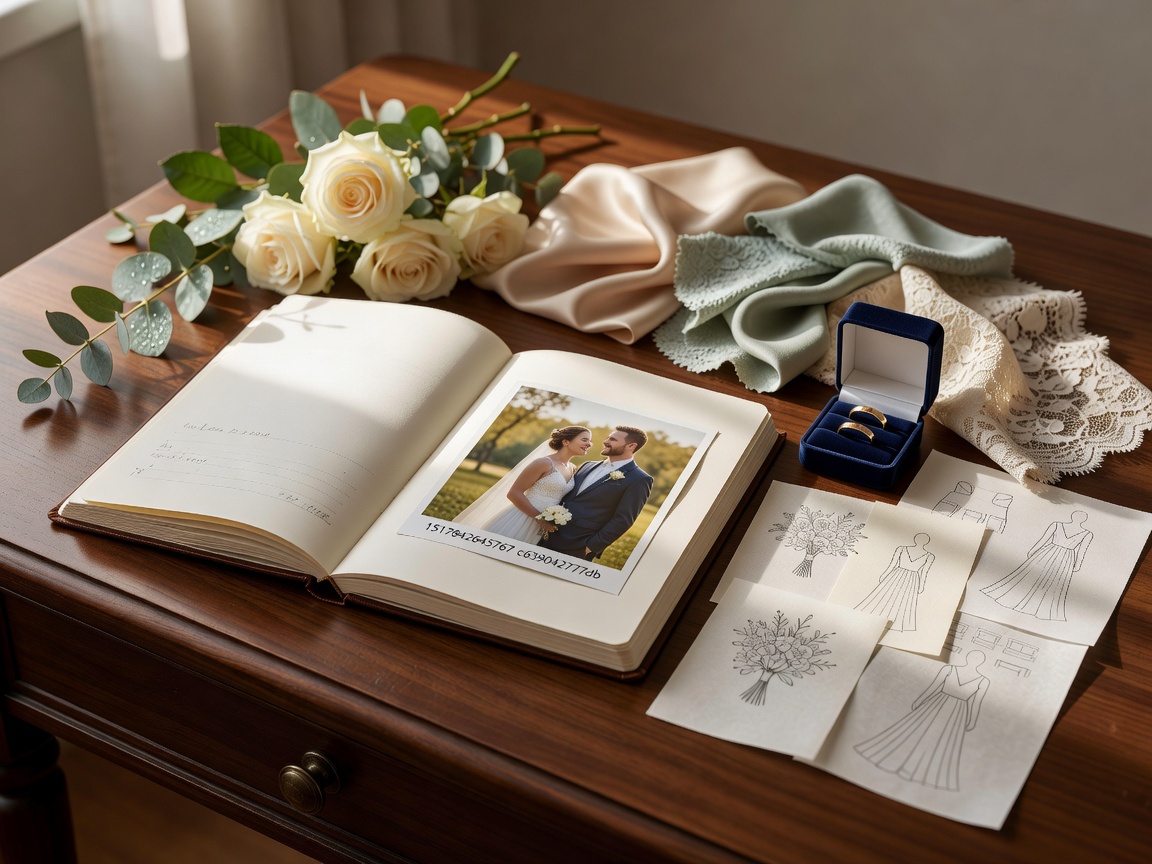
Wedding Budget Planning
A budget that reflects your values
Start with an honest total and know who is contributing. Then allocate by priority rather than habit: if photography matters most, protect it; if you would happily trade a band for an exceptional dinner, do so. Venue and catering usually form the largest share, followed by photography, florals and attire.
“A wedding budget is not a limit — it is a statement of what you treasure.”
- Hold back a contingency of around five to ten percent
- Ask whether quotes include service charges, taxes and gratuities
- Track deposits and payment due dates in a wedding budget planner
- Remember attire alterations, postage and day-of tips — common hidden costs
Wedding Guest List Planning
Gathering your people
Your guest list shapes everything from venue capacity to catering costs. Build it in tiers: immediate family and closest friends first, then extended family and friends, then colleagues and plus-ones if space allows. Agree a fair approach with families who are contributing.
- Record households, addresses, plus-ones, children and dietary needs
- Decide your plus-one and children policies early and apply them consistently
- Use a wedding guest list tool that connects directly to RSVPs

Wedding Invitation Etiquette
The first chapter of your story
Your invitation sets the tone. Traditional guidance suggests sending save-the-dates six to eight months ahead (earlier for destination weddings) and invitations six to eight weeks before the wedding, with an RSVP date three to four weeks before the day. Formal wording typically names the hosts, the request, the couple, date, time and venue.
- Address envelopes to exactly who is invited — this quietly clarifies plus-ones and children
- Share your wedding website on the save-the-date or an insert, not registry details on the invitation itself
- Order extra invitations for keepsakes and late additions
- Proofread names, dates and venue details with fresh eyes
Wedding Seating Chart
The quiet art of seating
A considered seating chart creates warmth. Begin after your RSVP deadline, start with the head or sweetheart table and family tables, then group guests by connection. Place older guests away from speakers, and seat solo guests with friendly conversationalists.
- Choose table shapes and sizes with your venue’s floor plan
- Use a digital seating chart tool to drag and drop guests
- Note dietary needs on escort or place cards for caterers
Wedding Timeline & Schedule
Time, beautifully choreographed
Two timelines matter: the planning timeline that guides your months, and the day-of timeline that guides the hours. Share the day-of schedule with every vendor and your wedding party at least a week ahead, building generous buffers around photographs and travel.
Choosing a Wedding Venue
A setting worthy of the moment
Visit venues at the time of day you plan to marry to see the light. Ask about capacity for seated dinners, rain plans, exclusivity, preferred-vendor lists, noise curfews, accessibility and what is included — tables, chairs, linens, staff and cleanup.
- Request a sample timeline and floor plan
- Read the cancellation and postponement clauses carefully
- Confirm when final numbers and payments are due
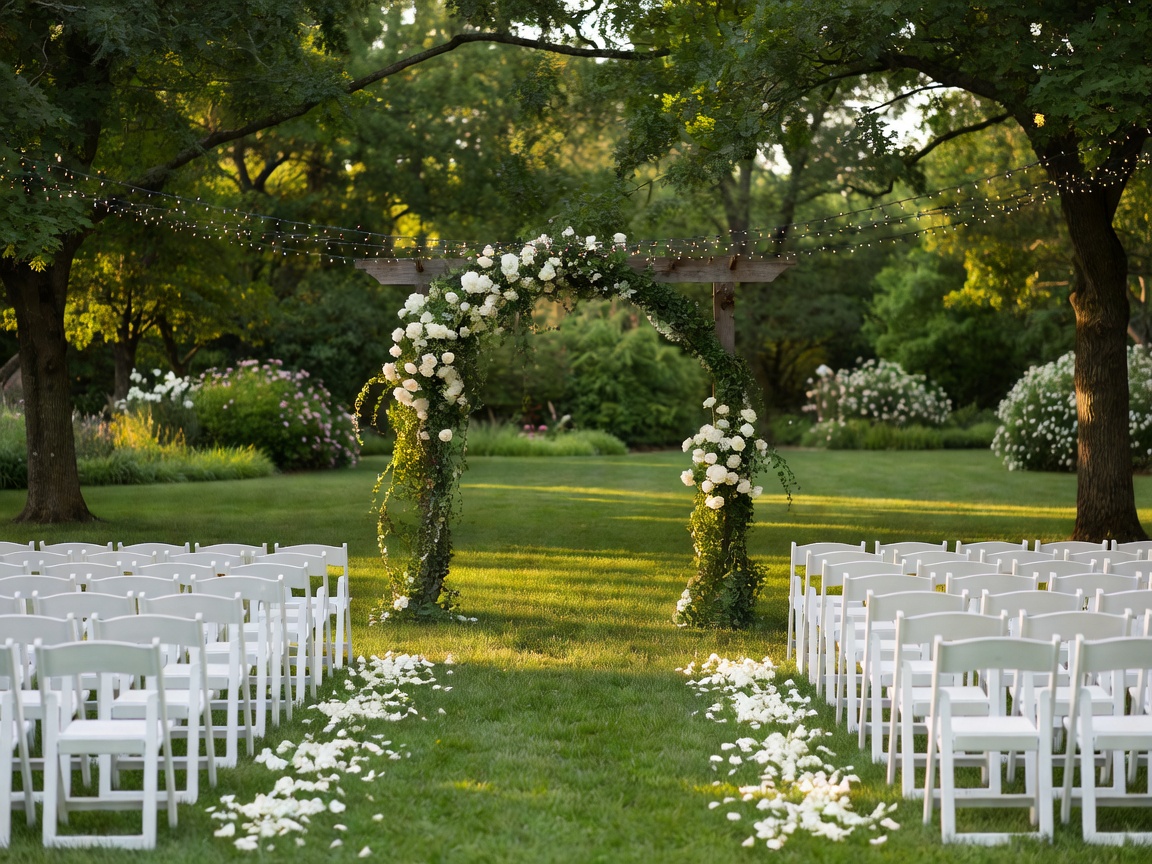
Choosing Wedding Vendors
Your creative atelier
Vendors become your wedding-day family. Shortlist through reviews and referrals, then meet them — chemistry matters. Ask to see full galleries or recent events, confirm who will personally attend, and get every inclusion, timing and fee in a written contract.
- Book in priority order: venue, photographer, caterer, music, florist
- Ask about insurance, backup equipment and contingency staff
- Keep contracts and payment schedules in one shared folder
Wedding Photography Planning
Light, emotion and memory
Choose a photographer whose full galleries — not only highlights — move you. Discuss coverage hours, second shooters, delivery timelines and album options. Prepare a concise family-formals list with a relative who can gather people quickly.
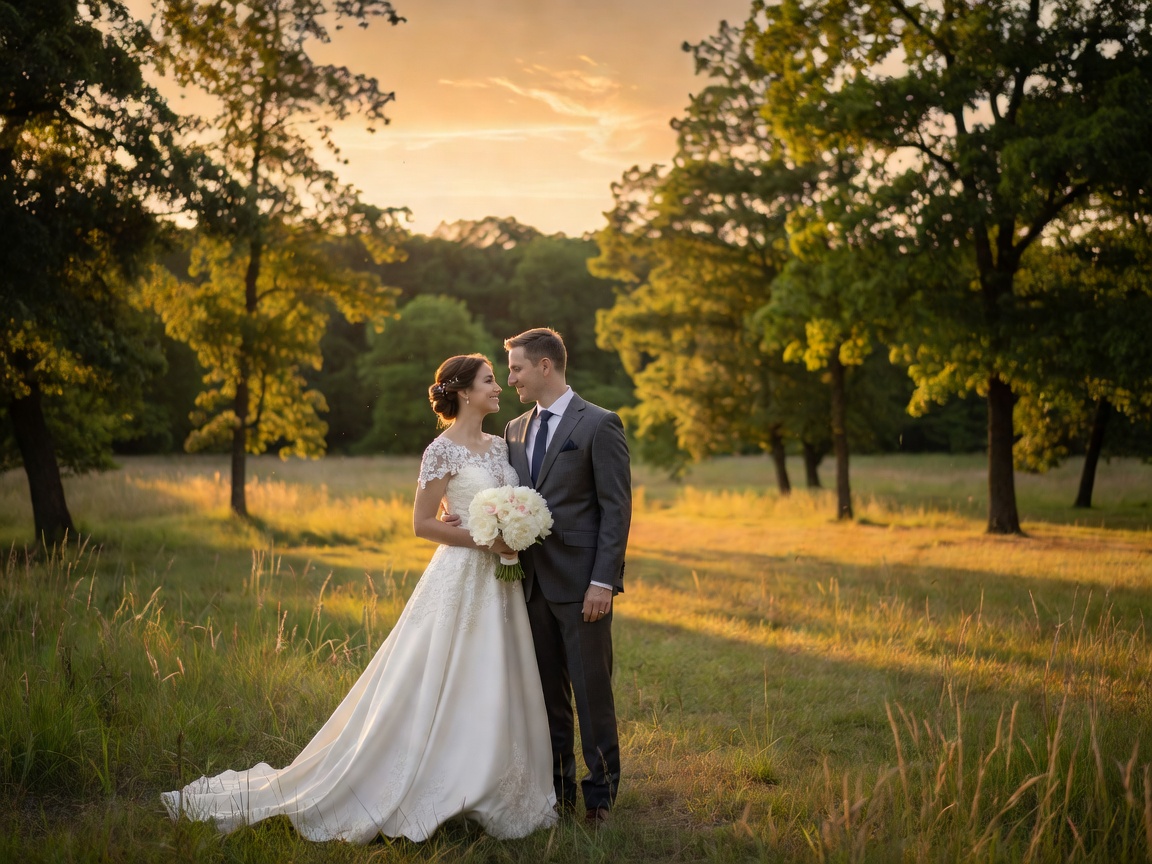
- Schedule portraits near golden hour where possible
- Consider an unplugged ceremony
- Lay out invitation suite, rings and heirlooms for detail shots
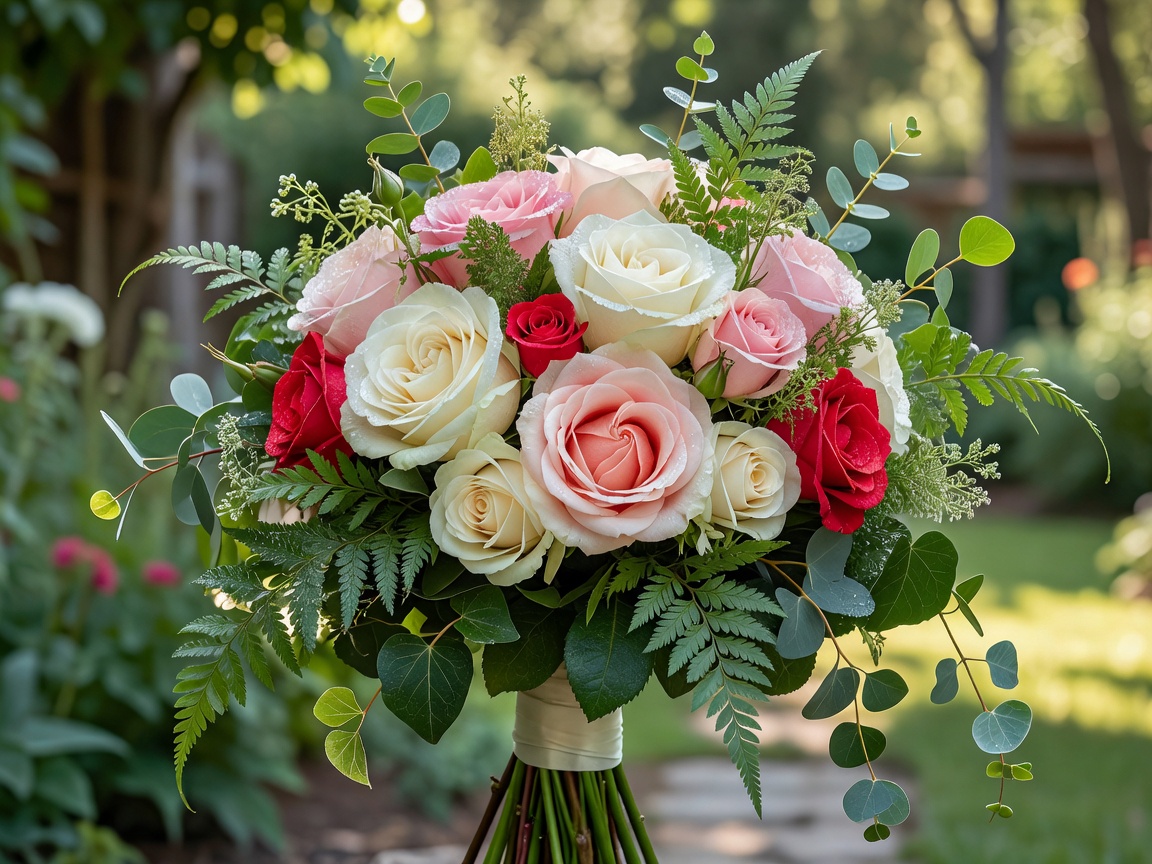
Wedding Flowers
A garden, gathered
Bring your florist a mood board, your palette, venue photographs and budget. Seasonal blooms often offer the best value and freshness. Prioritise the pieces guests see longest — the ceremony backdrop and reception tables — and repurpose ceremony arrangements at the reception.
- Ask about flower-free alternatives such as greenery, candles and fabric
- Confirm setup and breakdown times with your venue
Wedding Catering
A table to remember
Plated dinners feel formal and precise; family-style service is generous and convivial; food stations encourage mingling. Attend a tasting, ask how dietary requirements are labelled and served, and clarify staffing ratios, bar packages, corkage and cake-cutting fees.
- Collect dietary needs through your RSVP form
- Plan meals for vendors who work through dinner
- Consider a late-night snack for dancing guests
Wedding Music
The soundtrack of your day
Map the music to each moment: prelude, processional, signing, recessional, cocktail hour, dinner and dancing. Bands bring energy and presence; DJs offer range and seamless transitions. Share a must-play and a do-not-play list, and check venue sound restrictions.
Ceremony Planning
The heart of the celebration
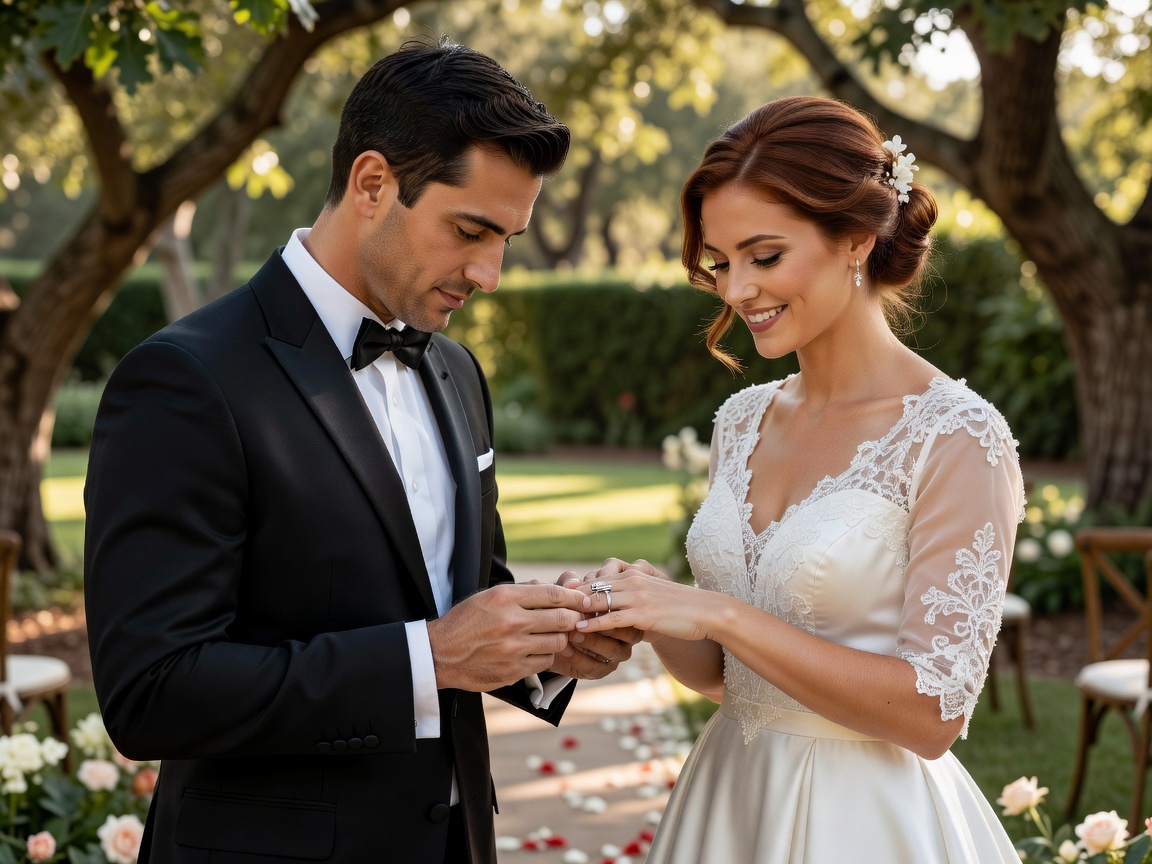
Work with your officiant on structure: processional, welcome, readings, vows, ring exchange, declaration and recessional. Confirm the legal requirements where you marry, as rules on officiants, witnesses and licences vary by country and region.
- Choose readings that reflect your story
- Rehearse the processional order and pacing
- Ensure guests at the back can hear — ask about microphones
Reception Planning
An evening of celebration
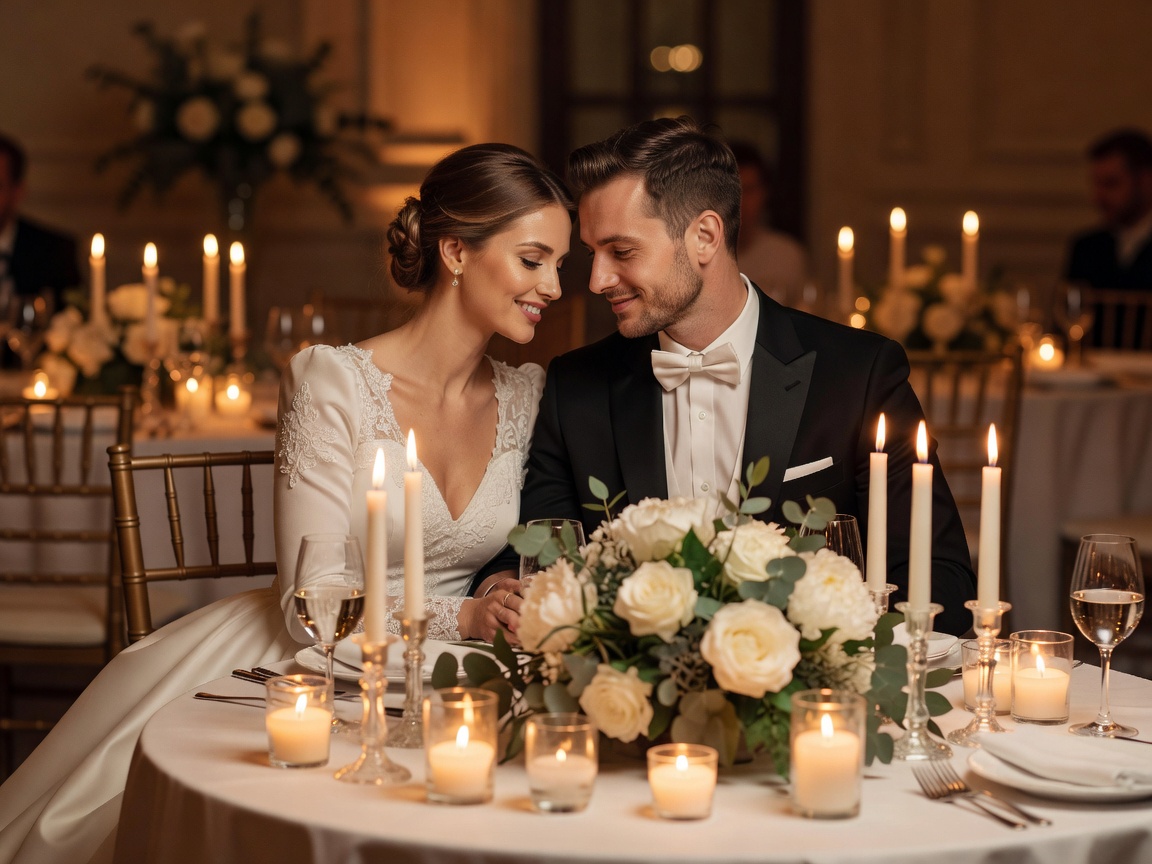
A graceful reception flows: welcome, entrance, dinner, toasts, first dance, open dancing, cake and send-off. Keep speeches concise and scheduled between courses, and position key moments while energy is high.
- Light the room with candles and warm, low lighting
- Assign a toastmaster or coordinator to keep time
- Plan the send-off and transport home
Bridal Preparation
Bridal planning resources
Begin attire shopping early enough to allow for ordering and alterations. Schedule hair and makeup trials, plan skincare well in advance rather than trying new treatments the week before, and choose shoes you can wear for hours. On the morning itself, eat a real breakfast and keep the room calm and uncrowded.
- Bring wedding shoes and undergarments to every fitting
- Assign someone to help with bustle and veil
- Keep a quiet ten minutes for yourself before the ceremony
Groom Preparation
Groom planning resources
Whether tailoring a suit or hiring formalwear, allow time for fittings and coordinate with the wedding party. Prepare your speech early, own a task or two in the planning — music, transport or the honeymoon are popular — and organise gratuities for vendors in labelled envelopes.
- Get a haircut about a week before the wedding
- Break in new shoes
- Write a letter or note for your partner to read that morning
Honeymoon Planning
The first journey together
Decide whether to travel immediately or take a “minimoon” and plan a longer trip later. Check passport validity and entry requirements — and whether tickets should match your current legal names. Consider travel insurance, and let hotels know you are celebrating.
- Book flights early for peak seasons
- Balance adventure with genuine rest
- A honeymoon registry lets guests gift experiences

Wedding Inspiration
An editorial mood board
Select any image to view it larger.
Guide FAQ
How far in advance should we send wedding invitations?
Traditional guidance is six to eight weeks before the wedding, with save-the-dates six to eight months ahead. Destination weddings warrant earlier notice.
When should we start the seating chart?
Begin once RSVPs are in — usually three to four weeks before the wedding — and finalise it with your final headcount.
Do we need a wedding website?
Not strictly, but a website reduces repeated questions by sharing schedules, travel details, dress code and registry links in one place.